
by Jonathan Lyness
Programme Curator
There are three different types of string trio. You can have two violins and a viola, or two violins and a cello, or a violin, viola and cello. Now, a cynic might say that a string trio sounds like a string quartet with one of its players missing. And yes, that sometimes happens! I’ve heard a story where a string quartet’s cello got stuck at an airport, which left two violins and a viola having to give a concert. And there are two key works for this particular combo, both from Eastern Europe: Dvorak’s Terzetto and Kodaly’s Serenade. If the viola player is missing, then that generally restricts one to the c18th. But if a violin is missing, then the world is one’s oyster, because the standard string trio – violin, viola and cello – far from being a quartet with a missing violin, is in fact an established ensemble with a rich history and a myriad of available repertoire from the c18th to the present day.

However, there is one country whose contribution to the trio repertoire is somewhat scarce. And that country is Britain! Historically, British composers just didn’t seem to like string trios! There are a few scattered c20th examples, from Ernest Moeran to Lennox Berkeley, but, for this concert, Ensemble Cymru have departed from British repertoire, such as it is, and looked elsewhere, beginning with the great classical composers – Haydn, Mozart, Beethoven (who all wrote terrific trios) – before finally settling on Franz Schubert. Schubert’s B-flat trio of 1816 is actually unfinished – there is just a first movement, but it’s of sufficient scale to enable it to stand alone. That, and the fact that it’s a work of utter genius – as delightful and engaging as anything Schubert wrote. If Schubert’s B-flat trio D471 doesn’t put a smile on your face, nothing will!
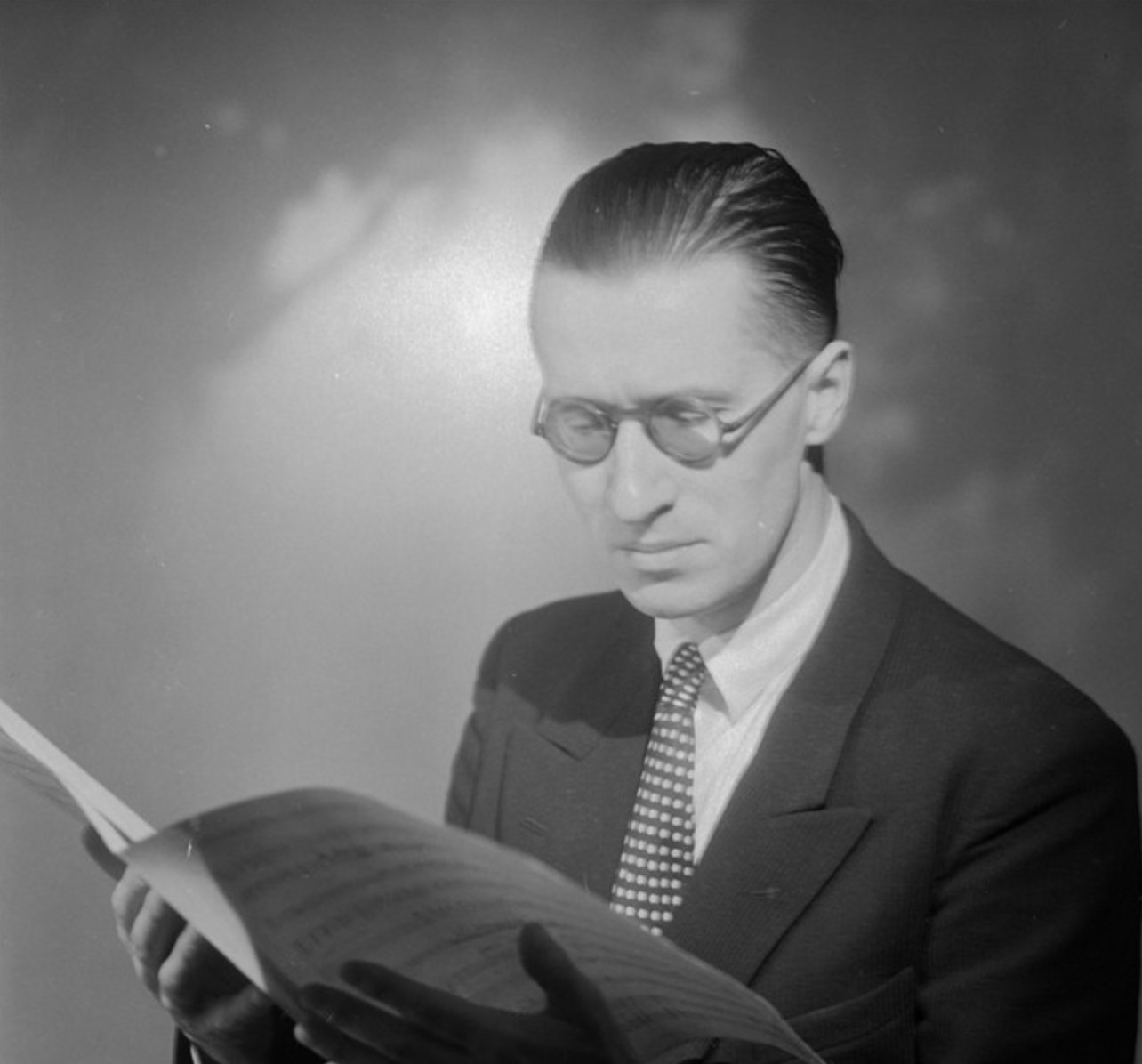
And so, where to next? Earlier this year, I explained in a blog how, during the late 1920s and 1930s, the French had invented the reed trio! Well, it seems the French had a fetish for trios, because during this time they were also busy writing string trios – for violin, viola and cello. There are masses of them, and we’ve chosen one by Jean Francaix. Francaix was a committed neo-classicist. Not for him the atonality and ‘waywardness’ of some of his compatriots. His music is distinctively tuneful, tonal, witty, light and, with its airs, graces and dance-like forms, makes him a natural twentieth century successor to the likes of Schubert. His style is exemplified in his ‘Trio à cordes’ of 1933, which has four short movements: Allegretto, Scherzo, Andante and Rondo.
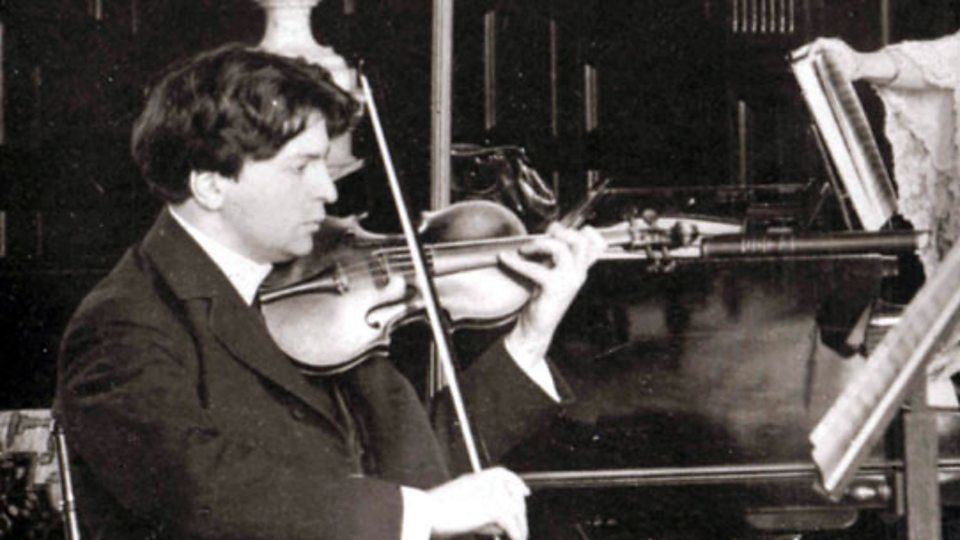
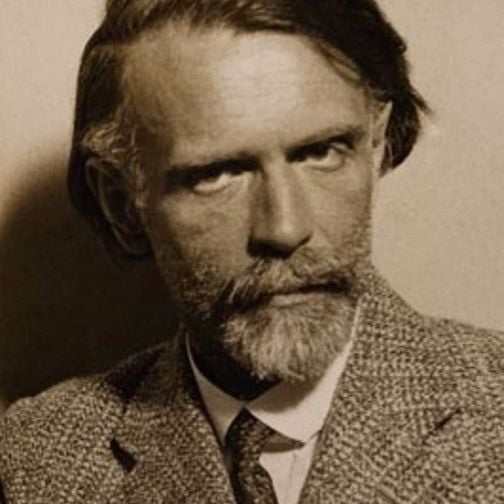
Finally, Ensemble Cymru turn to Eastern Europe. After all, if Eastern Europe provide the two key works for that ‘quartet with its missing cello’, then surely this must be a good source for the standard string trio? Well, it is, including several from the first decade of the twentieth century. We’ve chosen two short and tuneful little gems – the Aubade by the Romanian composer Georges Enescu, and the Intermezzo by the Hungarian composer Zoltan Kodaly. Kodaly’s work, coming just two years after Enescu’s, could easily have been written as a companion piece. Perhaps it was.
Musicians
- Elenid Owen – violin
- Oliver Wilson – viola
- Nia Harries – cello
Programme
- George Enescu (1881 – 1955) Aubade, for String Trio (1903), 5’
- Zoltan Kodaly (1882 – 1967) Intermezzo, for String Trio (1905), 5’
- Franz Schubert (1797 – 1828) String Trio in B flat D 471 (1816), 11’
- Jean Francaix (1912 – 1997) String Trio in C major (1933), 13’
Events
- 11.00am, Sat 11 October 2025, Music Room, Gregynog Hall
- 4.00pm, Sat 11 October 2025, Dragon Theatre, Barmouth
- 4.00pm, Sun 12 October 2025, St. Mary’s Church, Conwy
- 11.00am, Mon 13 October 2025, Neuadd Dwyfor, Pwllheli
