
by Jonathan Lyness
Programme Curator
When I think of a violin and cello duo, I suppose my first thought is of Brahms’s Double Concerto in A minor, his final orchestral work, composed in 1887. For whilst the violin/cello duo does have its own repertoire, with no need for an orchestra, it’s not as large as one might expect. In the classical era, the duo combo of two violins or violin/viola was much preferred. I suppose the problem lies in the fact that the cello, being so much lower than the violin, might have been destined for a purely accompanying role. For the two instruments to take turns accompanying each other, the cello must rise to a higher register. Believe it or not, this is what happens on board HMS Surprise in the 2003 epic ‘Master and Commander’ starring Russell Crowe and Paul Bettany who together, as violinist and cellist, ‘play’ some rather lovely Boccherini!
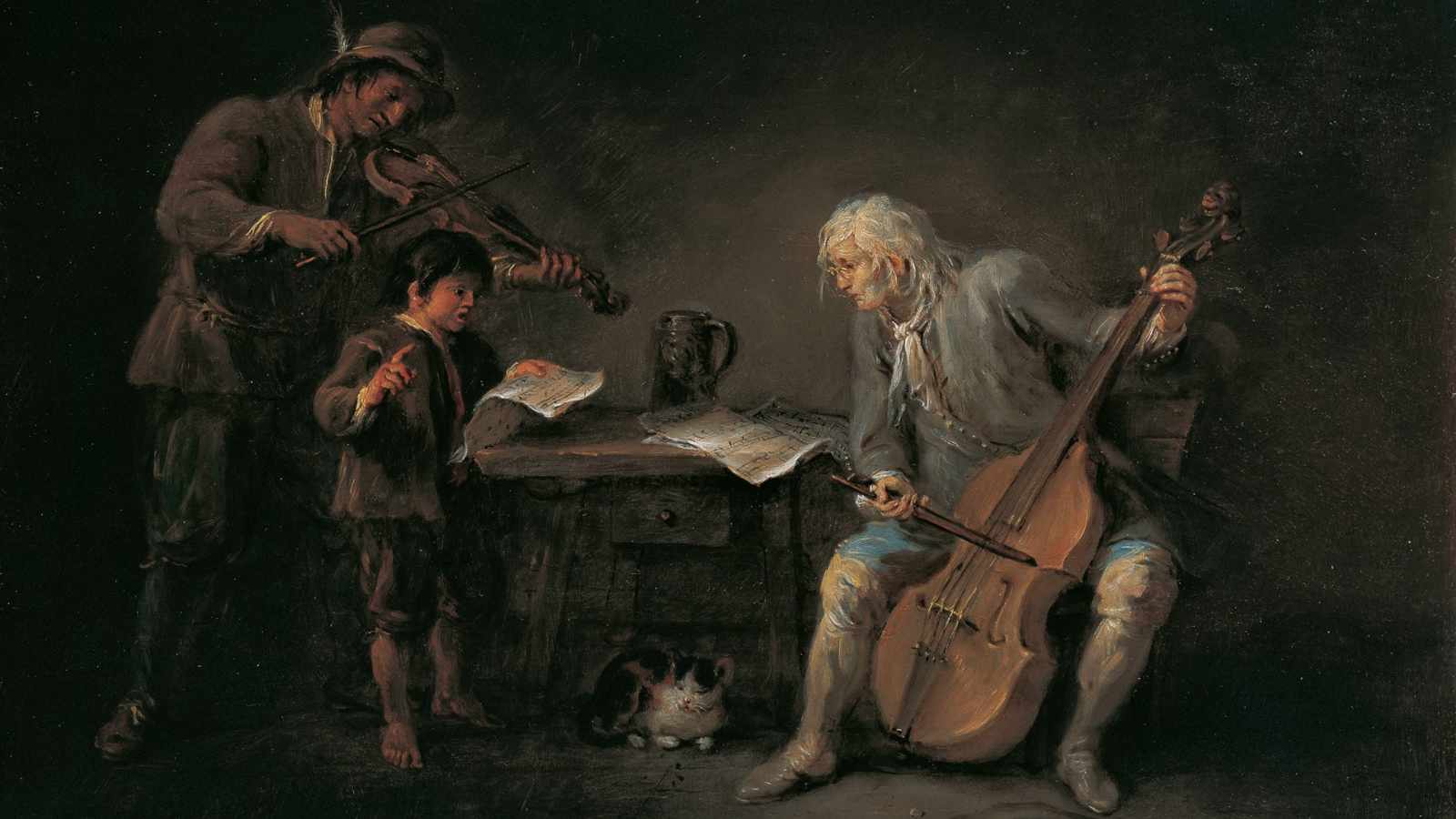
In his delightful Duo in D major, Haydn not only takes the cello into the violin’s register – so as the two instruments can accompany each other – but he also begins to dovetail them in proper duo-like fashion. It’s highly accomplished writing, and quite novel for its time, though Haydn knew what he was doing – he also exploited the instrument in two highly successful cello concertos. But in his piano trios, Haydn reverted to type. It took Beethoven and Schubert, in piano trios composed a few decades later, to once more take the cello into the violin’s register with works that, in some places, and especially in Schubert’s slow movements, feel like violin/cello duos with piano, the violin and cello lovingly weaving their melodic lines together.
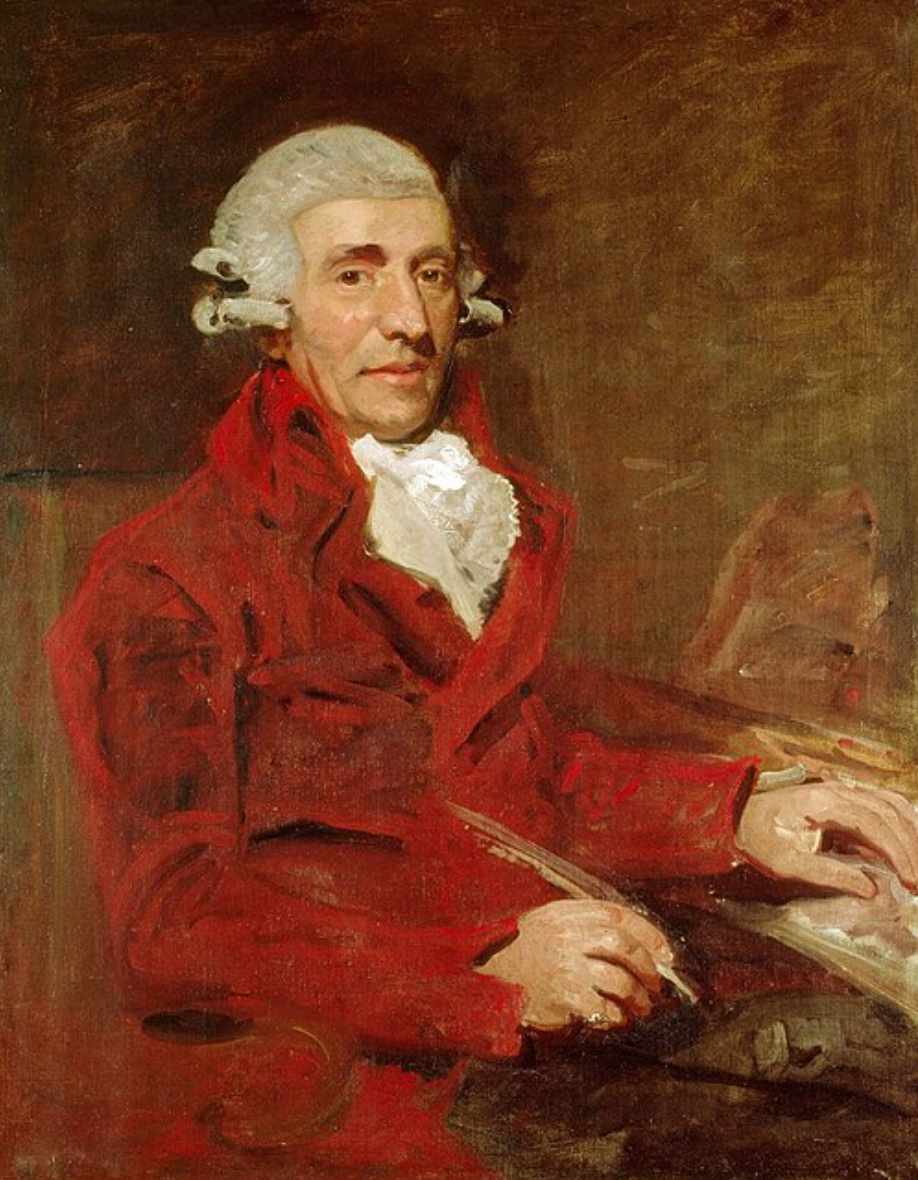
Sixty years later, Brahms did the same in his Double Concerto, where the writing for the cello is notoriously high, some commentators describing the two instruments as behaving like one ‘super’ string instrument. This work may have acted as a springboard for the violin/cello duo, setting it up nicely for the early c20th when, quite suddenly, and over a concentrated period of around 20 years, successful violin/cello duos appeared from a myriad of composers including Glière, Ravel, Honegger, Kodaly, Martinu, Villa-Lobos, Imogen Holst, Rebecca Clarke and Frederick Delius whose 1915 work is not a duo but actually another Double Concerto in the manner of Brahms.
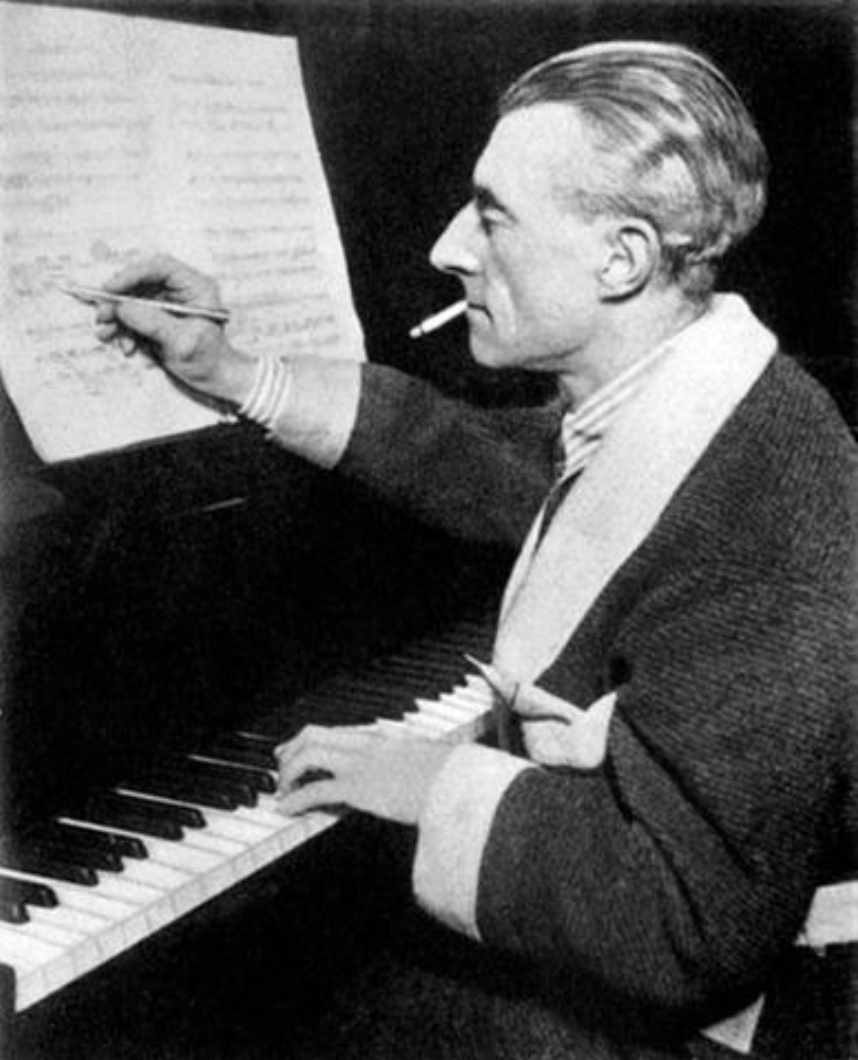
Kodaly wrote his Duo for Violin and Cello in 1914 when war was looming. It is big and bold, sometimes harrowing, sometimes optimistic, always energised and full of rhythmic vigour. Rebecca Clarke’s 1916 contribution started life as a viola/cello duo but she adapted it for violin/cello. Ravel’s Sonata for Violin and Cello, composed from 1920 to 1922, was dedicated to Debussy who had died at the end of the war. Here, Ravel finds a new economy of means, with both instruments entwined in highly contrapuntal lines whilst engaged in technical wizardry such as double-stops, harmonics and pizzicatos. Sometimes the two instruments appear to be in sympathy; sometimes they play in separate keys! Theirs would appear to be an on-off relationship.
Musicians
- Elenid Owen – violin
- Nia Harries – cello
Programme
- Joseph Haydn – Duo in D Major Hob VI:D1 (c.1780)
- Maurice Ravel – Sonata for Violin and Cello (1922) – Excerpt
- Zolton Kodaly – Duo for Violin and Cello Op 7 (1914) – Excerpt
- Rebecca Clarke – Grotesque for Violin and Cello (1916)
Events
- 1.00pm, Wed 27 May 2026, Ty Pawb, Wrexham
- 11.00am, Sat 13 June 2026, Gregynog Hall, Tregynon
- 11.00am, Sun 13 June 2026, Dragon Theatre, Barmouth
- 4.00pm, Sun 14 June 2026, St. Mary’s Church, Conwy
- 11.00am, Mon 15 June 2026, Neuadd Dwyfor, Pwllheli
