
by Jonathan Lyness
Programme Curator
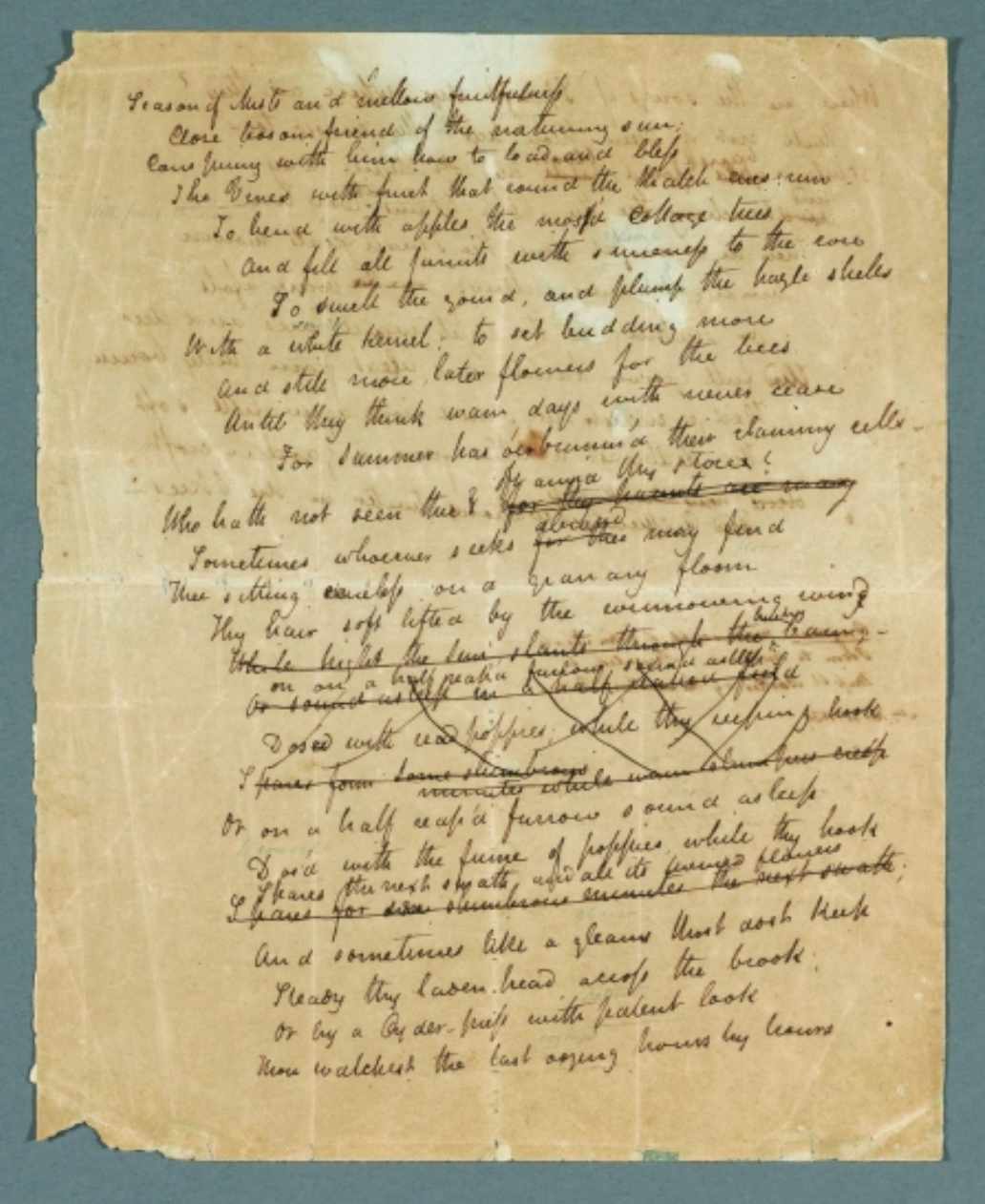
I always think of the clarinet as an autumnal instrument. It reminds me of that wonderful late poem by John Keats, To Autumn, written towards the end of his life, with its opening lines “Season of mists and mellow fruitfulness, Close bosom-friend of the maturing sun”.
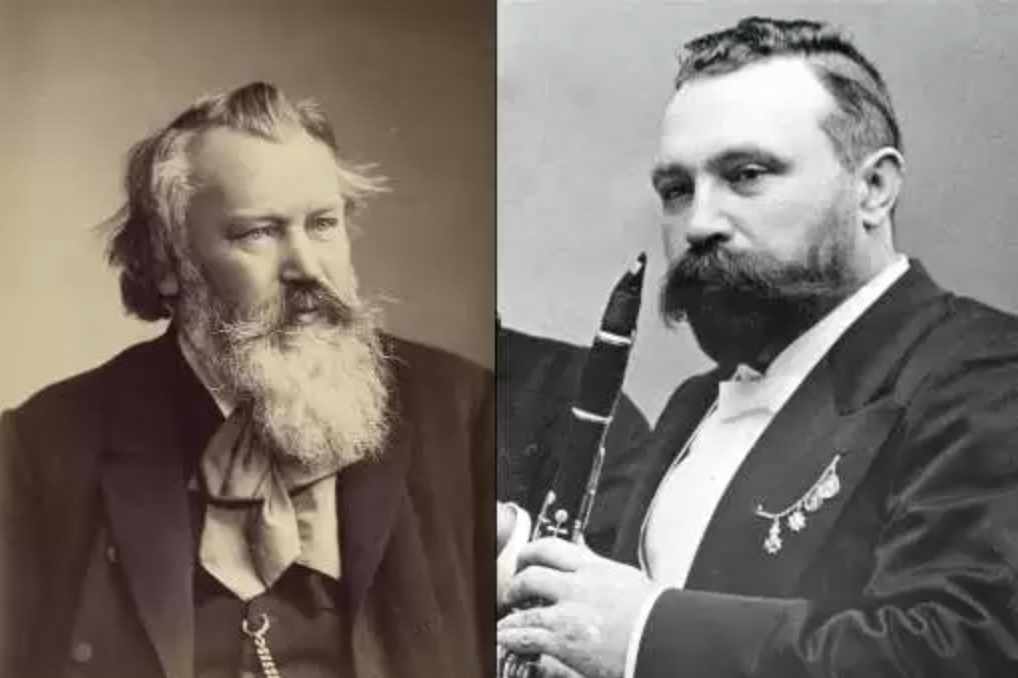
Brahms, towards the end of his life, had actually retired from composing, but subsequently heard the clarinettist Richard Mühlfeld playing Carl Maria von Weber’s Clarinet Concerto No. 1. Mühlfeld’s playing inspired Brahms to compose four extraordinary clarinet masterpieces including two sonatas. Perhaps, for Brahms, it all made perfect sense, the composer associating the clarinet’s autumnal mellowness with a sense of resting peace and tranquillity. And perhaps, being a down and out romantic, he knew Keats…
Another reason I personally identify the clarinet with the ‘mature’ end of life is that my grandfather played the instrument. I can still picture him playing, with my father at the piano. My older brother learnt the viola and when they weren’t all together playing Mozart’s Kegelstatt trio (performed by EC a year ago) they were busy, separately, playing Brahms’ clarinet sonatas. You see, the clarinet sonatas can be played on both clarinet and viola. Viola players are always purloining clarinet repertoire, though in this case Brahms actually created viola versions. So, I grew up hearing them on both instruments, and I still imagine them on both instruments!
Back in 1811, Weber had written his two clarinet concertos in F minor and E-flat major, and Brahms paid tribute by composing his two sonatas in the same two keys. The E-flat major sonata is in three movements, roughly speaking slow-fast-slow, with a passionate and rousing central movement. The first movement opens simply and gracefully with one of those Brahmsian themes that feels as if it could go on forever, and the gentle final movement ends with a real flourish. The expression and the craftsmanship throughout is utterly sublime and demonstrates that Brahms, at 61, was still at the height of his powers, just as Verdi had been a year earlier when, at 79, his opera Falstaff was premiered! Great composers just go on and on…
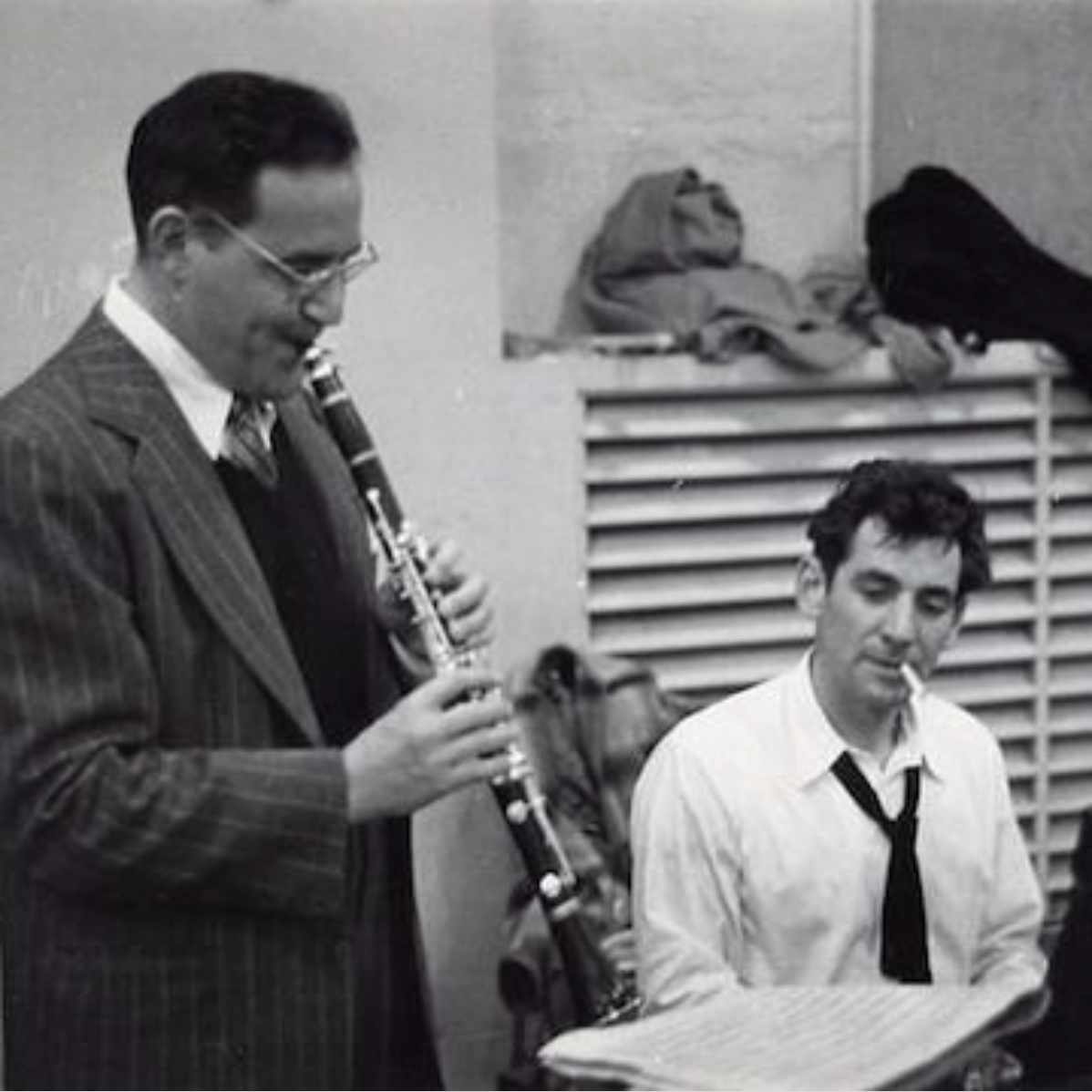
Poulenc’s Clarinet Sonata from 1962 also ends with a real flourish, and as with Brahms, the work was written at the very end of his life – he never lived to hear it. At this point, however, similarities with the Brahms come to an end. The three movements are, roughly speaking, fast-slow-fast, the opposite of Brahms, though the opening movement has a slow central section. The work has Poulenc’s stamp all over it, with spikey percussiveness and indulgent harmonies. Unlike the Brahms, the Poulenc, with its leaps and flourishes, is not suitable for the viola. It’s almost as if Poulenc had been aware of prowling viola players and kept them at bay! The first performance was given by Benny Goodman and Leonard Bernstein; I think that says it all.
Musicians
- Chris Goodman– clarinet
- Richard Ormrod – piano
Programme
- Johannes Brahms – Sonata Op. 120 No. 2 in E-flat major for Clarinet and Piano (1894)
- Francis Poulenc – Sonata for Clarinet and Piano (1962)
- Elisabeth Lutyens – 5 Little Pieces for Clarinet and Piano (1945)
Events
- 11.00am, Sat 9 May 2026, Gregynog Hall, Tregynon
- 11.00am, Sun 10 May 2026, Dragon Theatre, Barmouth
- 4.00pm, Sun 10 May 2026, St. Mary’s Church, Conwy
- 11.00am, Mon 11 May 2026, Neuadd Dwyfor, Pwllheli
